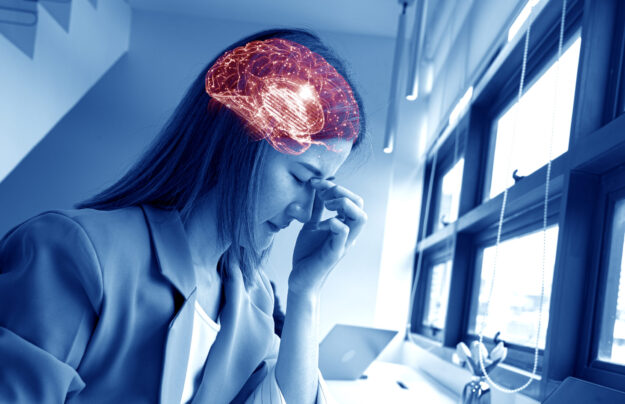




TMS vs. Medication: Which Is Right for Treatment-Resistant Depression?

For many people living with depression, antidepressant medications are often the first line of treatment. While these medications help many individuals manage symptoms, others continue to struggle despite trying multiple prescriptions. This condition, known as treatment-resistant depression, affects a significant number of people and can leave patients feeling frustrated and discouraged. Fortunately, advancements in mental…


Depression After Major Life Transitions

Major life transitions can be exciting, stressful, and overwhelming all at once. Whether it is a divorce, the loss of a loved one, retirement, relocation, career change, or becoming a parent, significant shifts in life circumstances can deeply affect emotional well-being. While some sadness or anxiety is normal during periods of change, persistent feelings of…

How TMS Therapy Helps Patients with Chronic Anxiety

Living with chronic anxiety can feel exhausting mentally, emotionally, and physically. When worry, racing thoughts, and restlessness interfere with daily life, many people turn to medication or traditional therapy for relief. But for some, these treatments do not provide lasting results or cause unwanted side effects. That is why many people have turned to TMS…

Exploring the Cost and Insurance Coverage of TMS Therapy

When considering a new mental health treatment, one of the first questions people ask is, “How much will this cost and will insurance cover it?” That is especially true for innovative therapies like Transcranial Magnetic Stimulation (TMS). While effectiveness and safety matter, affordability and access often determine whether someone feels comfortable taking the next step.…

Exploring Non-Medication Therapies for Depression

For many people living with depression, medication can be helpful, but that does not make it the right fit for everyone. Side effects, personal preferences, or medical considerations often lead individuals to explore non-medication-based therapies for depression. Fortunately, advances in mental health care now offer a wide range of alternative depression treatments that are both…

The Role of Caregivers in Mental Health Recovery

When someone you love is struggling with depression, anxiety, or another mental health condition, the journey toward recovery can feel overwhelming. Caregivers, whether they are a family member, partner, or close friend, often become a central part of the treatment process. Here, we will explore how caregivers influence treatment decisions, emotional stability, and long-term outcomes. …

Innovations in Depression Treatment: What’s Next for Mental Health Care?

Depression affects millions of people worldwide, yet traditional treatments, like medication and talk therapy, do not work for everyone. Fortunately, innovation in mental health care is accelerating, bringing new hope to those who have struggled to find relief. At TMS Center of the Lehigh Valley, we believe in staying at the forefront of mental health…